
Deep Dive
来自我们记者的行业洞察

Dexcom and Abbott intensify direct-to-consumer marketing to compete in the growing diabetes market
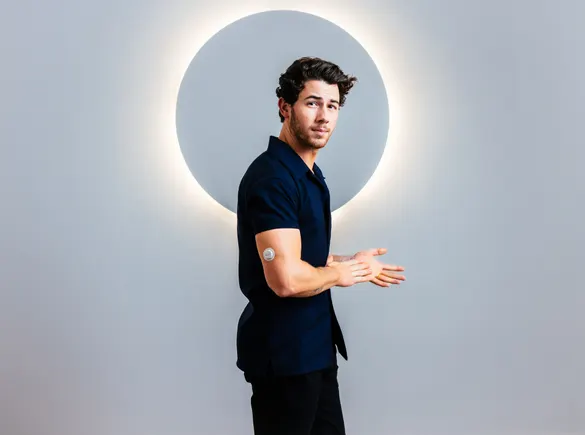
As more insurance companies expand coverage for continuous glucose monitoring (CGM) devices, Dexcom and Abbott are ramping up direct-to-consumer marketing to compete in this rapidly growing market. Dexcom aired a Super Bowl ad in 2023, while Abbott reaches potential users through television, social media, and magazine advertisements. Analysts expect the U.S. CGM market to grow from its current $4 billion to $10 billion by 2025. Both companies are targeting patients with type 2 diabetes and plan to launch or expand related product lines.

From Patient Spontaneity to FDA Approval: How Tidepool Loop Paves a New Path for Diabetes Devices
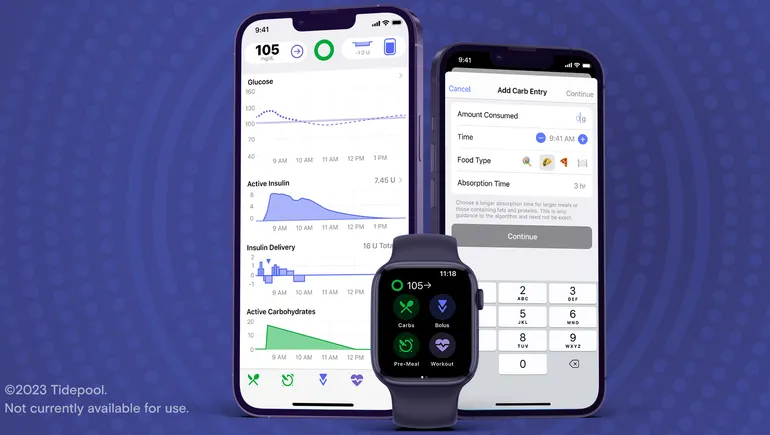
After decades of research, artificial pancreas systems are finally moving toward commercialization, but existing hybrid closed-loop systems still limit patients' freedom to mix and match devices. The nonprofit organization Tidepool, based on the Loop app developed by the open-source DIY community, received FDA approval in January 2023, becoming the first patient-driven automated insulin delivery app to pass regulatory review. The app allows users to choose compatible glucose monitors and insulin pumps, although no third-party pumps have been approved yet. Tidepool's case may establish a regulatory precedent for future device-agnostic automated insulin delivery applications.

FDA Delays Warning on Breast Implant-Related Cancer, Patient Advocates Cite Lagging Reports as Main Cause
Earlier this month, the U.S. FDA reported at least 19 cases of squamous cell carcinoma associated with breast implants, including 3 deaths. However, patient advocates and doctors note that due to the FDA's ineffective enforcement of post-market study requirements and inadequate case reporting channels, the public could have been informed of the risks earlier. Based on FDA communications, academic literature, and multiple interviews, this article traces the discovery of this rare cancer, statistical challenges, and regulatory controversies.

Review of the Top Ten M&A Transactions in the Medical Device Industry in 2022
M&A activity in the medical device industry noticeably cooled in 2022, with only 11 deals exceeding $1 billion throughout the year, far lower than the 21 deals in 2021. Johnson & Johnson's $16.6 billion acquisition of heart pump manufacturer Abiomed became the largest deal of the year, while other significant transactions included Stryker's acquisition of Vocera and Boston Scientific's acquisition of Apollo. Based on data from EY and Silicon Valley Bank, this article outlines the details of the top ten M&A cases.
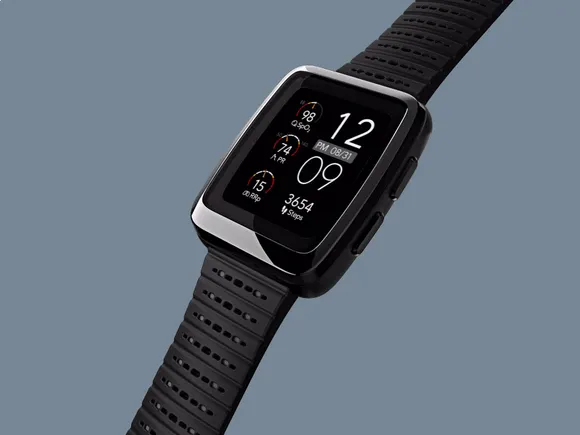
Patent Dispute Between Apple and Small Medical Technology Companies Continues to Escalate
Apple's foray into personal health monitoring through the Apple Watch has triggered multiple legal disputes with small medical technology companies like AliveCor and Masimo. AliveCor accuses Apple of infringing on its electrocardiogram patents, while Masimo sues Apple for stealing trade secrets. The cases involve risks of import bans from the U.S. International Trade Commission (ITC), rulings on patent validity, and antitrust counterclaims, highlighting the legal battles between large tech companies and innovative medical enterprises.

Medical technology companies weigh financing strategies to address cash burn and sluggish IPO market
As the IPO market faces its worst year in two decades, medical technology companies are under pressure from cash burn and are turning to alternatives such as private financing, insider rounds, and mergers and acquisitions. Experts expect the market to remain challenging in 2023, but some companies may weather the storm by delaying financing or pursuing M&A deals.