
AI
Vitestro secures FDA nod for robotic blood draw device
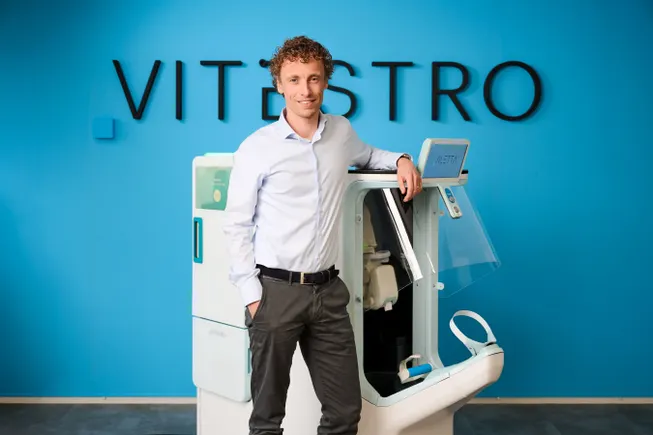
The U.S. Food and Drug Administration (FDA) announced on Wednesday that it has granted de novo authorization to Vitestro's Aletta, a robotic blood draw device that operates without direct operator involvement. Designed to automate venipuncture from vein detection to bandaging, Aletta can be supervised by a single phlebotomist overseeing up to three devices, potentially mitigating workforce shortages in blood collection. The authorization includes special controls that may facilitate future 510(k) submissions for similar devices. Vitestro, which raised $70 million in March and received CE marking in 2024, plans to expand from Europe to the U.S. market.
FDA seeks feedback on generative AI regulations
The FDA's Center for Devices and Radiological Health has published a discussion paper outlining a potential framework for regulating generative AI-enabled medical devices. The agency is accepting public comments through October 19, 2025. The paper proposes a risk-based classification, a competency-based premarket evaluation, and enhanced postmarket monitoring, while acknowledging the unique challenges posed by these technologies.
FDA names second participant in TEMPO digital health pilot
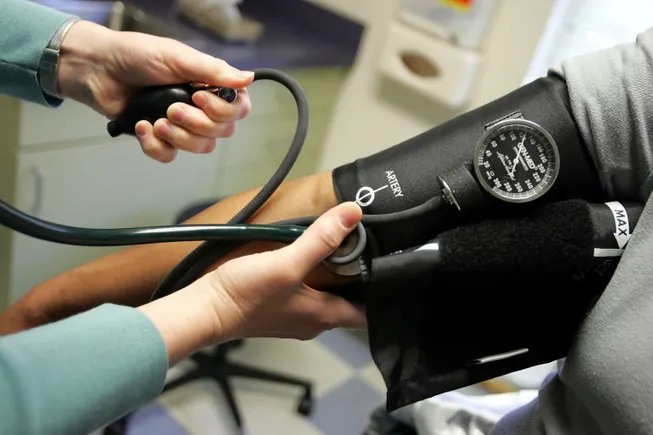
The U.S. Food and Drug Administration (FDA) has named Cadence, a software company specializing in AI-assisted hypertension management, as the second participant in its Technology-Enabled Meaningful Patient Outcomes (TEMPO) pilot. The program exempts eligible digital health devices from premarket authorization and aligns with a Centers for Medicare and Medicaid Services (CMS) initiative to support chronic disease management. Cadence plans to submit real-world data on safety, performance, and patient outcomes to inform future regulation of clinical AI systems.

From the clinic to the community: advancing healthcare innovation
Dell Technologies is partnering with health systems, research enterprises, and community programs to accelerate healthcare innovation. From AI-powered drug discovery with Eli Lilly to precision medicine at Beth Israel Lahey Health, and from 3D imaging solutions to community internships, Dell's technology infrastructure is enabling better care and preparing future talent.

CHAI creates work group to counter frontier AI model cybersecurity risks
The Coalition for Health AI (CHAI) announced the formation of a new work group to tackle cybersecurity risks posed by frontier AI models in healthcare. The group, comprising nearly 100 leaders, will meet biweekly to produce guidance, risk assessment tools, and playbooks by end of 2026. The initiative was catalyzed by Anthropic's release of advanced AI models this spring, which CHAI says fundamentally changed the threat landscape.

Medtronic on the future of AI-assisted surgery
Medtronic is introducing the first FDA-approved AI algorithm through its advanced surgical computing platform, Touch Surgery Aide, to improve the safety, quality, and efficiency of surgery. The platform can run multiple AI models in real time during surgical procedures, providing surgeons with immediate visual assistance. Company executives noted that the current level of AI assistance in the operating room is even less than the in-car AI that surgeons use when driving home, highlighting a significant gap.
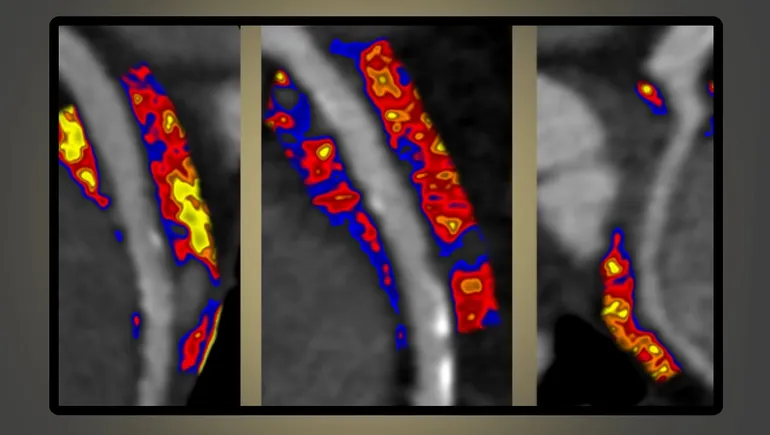
Caristo wins FDA authorization for cardiovascular risk predictor
Caristo Diagnostics announced last week that its AI tool for quantifying coronary inflammation in routine imaging has received de novo authorization from the U.S. FDA. The device, named CaRi-Heart, uses coronary computed tomography angiography (CCTA) to assess patients' 10-year cardiovascular mortality risk. Studies show that the tool can help physicians stratify risk in patients presenting with chest pain but without obstructive coronary artery disease (CAD).
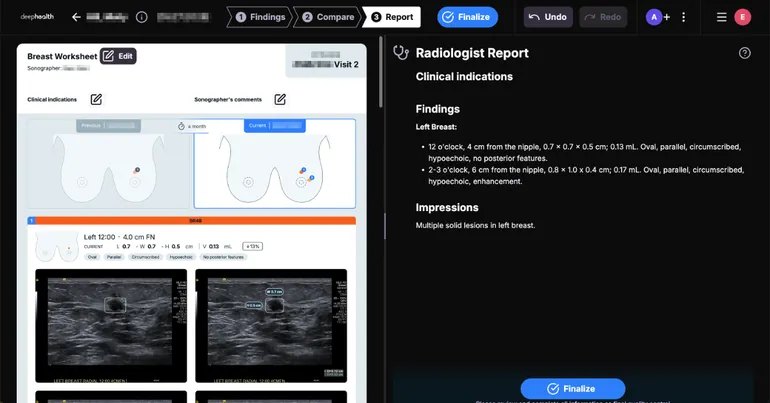
DeepHealth gets FDA nod for AI tool that reads ultrasounds, creates reports
DeepHealth received FDA 510(k) clearance last week for its AI tool that interprets breast ultrasound images and generates reports. The tool assists clinicians in locating suspicious soft tissue lesions, describing features, and generating key findings and impressions, with final assessment remaining under the radiologist's control. Parent company RadNet plans to roll it out across its 400+ imaging centers by year-end.
The FDA was all in on AI. Will that change?
The FDA's investment in artificial intelligence has not stopped, but the departure of core advocates such as former Commissioner Marty Makary has introduced uncertainty in the agency's internal AI integration and evolution path. Acting Commissioner Kyle Diamantas emphasizes that AI remains a priority, but experts point out that leadership changes may return AI governance to a decentralized model and affect transparency improvements and the pace of policy-making. Industry expectations for transparency in the FDA's internal AI applications are increasing, and the contradiction between the slowness of traditional rule-making processes and the rapid iteration of AI will become a key challenge.