
Diabetes

MiniMed submits new patch pump for FDA clearance
Diabetes technology company MiniMed announced on Tuesday that it has submitted a premarket approval application to the U.S. FDA for its first patch insulin pump, the MiniMed Fit, with plans to launch next summer. The pump features a 300-unit reservoir and supports wear for up to 7 days, designed to better meet the needs of patients with type 2 diabetes. The company has also completed enrollment for a pivotal trial of its fully closed-loop algorithm and is advancing development of a novel long-acting glucose sensor. Based on strong performance in the U.S. market, MiniMed has raised its fiscal 2027 organic growth outlook to 10.5%.

Dexcom, Abbott await Medicare coverage expansion for CGMs
CMS is expected to expand Medicare reimbursement for CGMs to diabetic patients who do not use insulin. Dexcom and Abbott are closely monitoring policy progress and anticipate that the decision will reshape the landscape of diabetes care in the United States. Dexcom expects to receive feedback from CMS by the end of the year, while Abbott states this could represent a multi-billion-dollar opportunity.
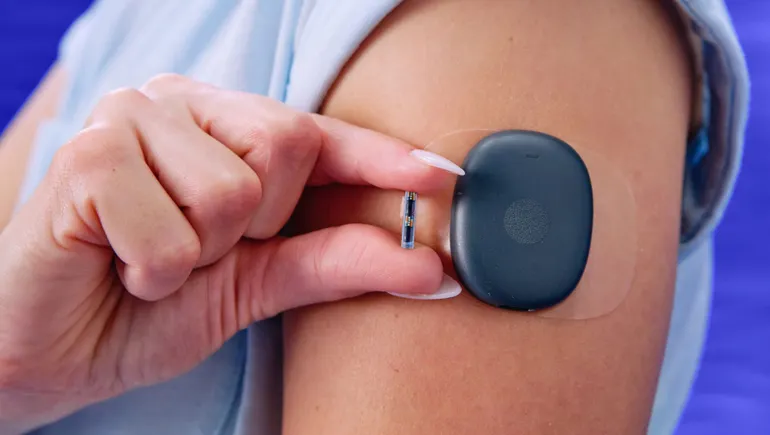
Inside Senseonics’ commercial overhaul and what’s next
Senseonics 正加速推进商业团队整合,其 Eversense 365 CGM 已上市逾一年。CEO Tim Goodnow 与 CFO Rick Sullivan 详解销售过渡进展、用户反馈及未来技术路线。

Abbott, Google to combine glucose data with AI coaching
Abbott and Google plan to integrate Abbott's Lingo glucose sensor with Google Health app and AI coaching, with a large real-world study to inform future features.
FDA names Dexcom as first participant in digital health pilot
The FDA announced on Wednesday that Dexcom has been selected as the first participant in the TEMPO digital health device pilot program. The pilot allows certain digital health devices to be exempt from FDA premarket authorization requirements while collecting real-world data through a supplemental Medicare program. Dexcom plans to implement an AI-driven glucose health program through the pilot, aimed at screening for prediabetes and type 2 diabetes.

Insulet launches Omnipod 5 in Spain
Insulet announced on Monday that it has begun selling its Omnipod 5 automated insulin delivery system in Spain, targeting people with type 1 diabetes aged 2 years and older. Spain has approximately 190,000 people with type 1 diabetes, nearly 19,000 of whom are aged 19 or younger. In Spain, Omnipod 5 is compatible with Abbott's FreeStyle Libre 2 Plus and Dexcom G7 sensors. This launch is part of Insulet's global growth strategy, following related plans disclosed by company executives during Investor Day and earnings calls.

MiniMed launches Instinct glucose sensor made by Abbott in Europe
MiniMed announced on Tuesday that it has started launching the Instinct continuous glucose monitor, developed in collaboration with Abbott, in the European Union. The product received CE marking shortly after the spinoff from Medtronic, and this launch will broaden the applicability of the MiniMed 780G pump to cover more than 4.5 million Abbott sensor users receiving intensive insulin therapy.

Insulet appoints first chief R&D officer amid intensifying competition in insulin pump market
Insulet announced on Monday that it has appointed Divakar Ramakrishnan as its first-ever chief R&D officer. Ramakrishnan will be responsible for leading global product development and research affairs, at a time when the company faces intense competition from other insulin pump makers. He previously served as chief scientific, innovation, and quality officer at Convatec.
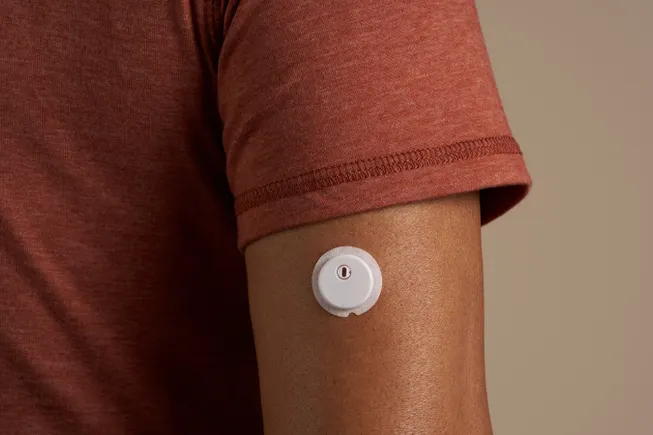
Four diabetes technology company executives discuss the future of multi-analyte glucose sensors
Abbott recently obtained regulatory approval in Europe for a dual-analyte sensor (glucose + ketones), sparking industry discussion on the pros and cons of multi-analyte sensors. Companies such as Medtronic and Dexcom are developing sensors capable of measuring multiple analytes including ketones, lactate, and potassium. Supporters believe this technology can help improve diabetes and other health management, but the interpretation issues brought by the influx of new data remain to be addressed. This article synthesizes the views of executives from four diabetes technology companies, analyzing the technical pathways, clinical value, and commercialization challenges of multi-analyte sensors.