
Earnings

Medtronic kicks off its fiscal year on a high note
Medtronic began its new fiscal year with double-digit revenue growth, with first-quarter sales reaching $9.8 billion, up 13.7% year-over-year. The cardiovascular business grew nearly 20%, with pulsed field ablation products standing out. Based on this strong start, the company raised its full-year organic growth guidance and provided updates on the commercial progress of the Hugo surgical robot.
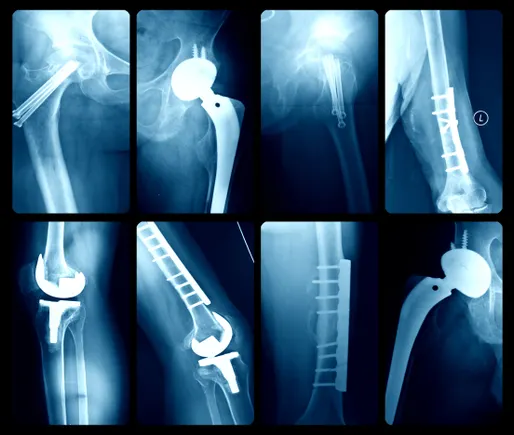
Ortho firms unfazed by Medicare joint replacement changes
The U.S. Centers for Medicare & Medicaid Services (CMS) finalized the Comprehensive Joint Replacement Expansion Model (CJR-X) at the end of July, which will take effect in 2028, requiring hospitals to bear more responsibility for joint replacement surgeries and related costs. Orthopedic device companies Stryker and Zimmer Biomet stated in earnings calls that the change has little impact on implant payments, mainly because implants account for only a small portion of total surgical costs. J.P. Morgan analysts see limited impact, while BTIG analysts noted the model may drive changes in hospital procurement practices and benefit cost-reduction technologies such as digital therapeutics and remote monitoring.
Stryker catching up on orders, manufacturing after cyberattack
Stryker CEO Kevin Lobo said on Thursday's earnings call that the company has increased output to address the order backlog, expecting it to drop to a 'manageable level' by the end of Q3. The cyberattack in March disrupted its order processing, shipping, and manufacturing for nearly a month, impacting Q1 results.

Boston Scientific again cuts 2026 guidance
After releasing its second-quarter earnings on July 29, Boston Scientific again lowered its 2026 guidance, marking the second consecutive quarterly reduction. CEO Mike Mahoney noted that the electrophysiology and Watchman business segments continue to face pressure, prompting the company to adjust its expectations. The company also announced a global restructuring plan involving layoffs, with estimated pre-tax charges of approximately $700 million to $800 million.

Philips largely recoups struck-down Trump tariffs in Q2
Philips' Q2 2026 earnings report shows the company largely completed its U.S. tariff refund process, recovering 186 million euros (about 212 million U.S. dollars) in previously paid tariffs. The refund stems from a U.S. Supreme Court ruling that invalidated multiple Trump-era tariffs. Despite cost inflation, currency fluctuations, and ongoing tariff pressures, the company's quarterly revenue grew 1% year-over-year to 4.36 billion euros, and net profit increased 61% year-over-year to 386 million euros.

Edwards posts strong TAVR sales ahead of potential Medicare coverage expansion
Edwards Lifesciences reported second-quarter results with TAVR sales reaching $1.26 billion, up 11.3% year-over-year, and TMTT business growing 47.3%. The company raised its full-year sales growth forecast to 10%-11% and expects CMS to issue a decision on TAVR coverage expansion in September. Analysts believe that PROGRESS study data and new product launches will support subsequent growth.
Intuitive ties Q2 procedure softness to ACA subsidy expirations
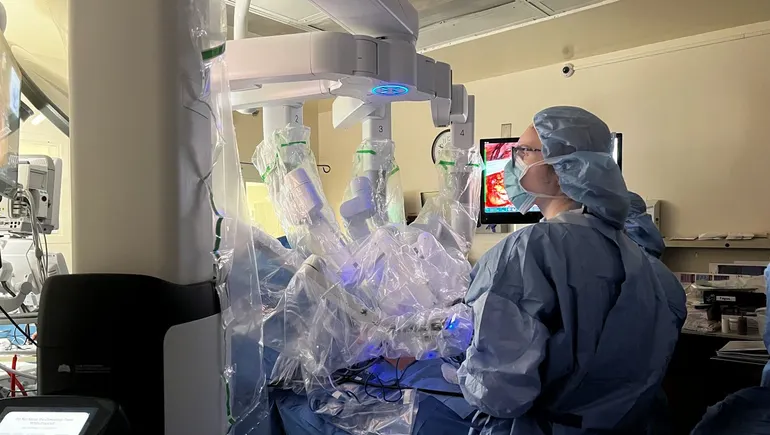
Intuitive reported second-quarter earnings Thursday, with U.S. da Vinci procedure growth slowing to 12%, which the company attributed to changes in patient insurance coverage due to the expiration of ACA subsidies. Despite weak procedure volumes, system installations remained strong, and the company maintained its 2026 global procedure growth outlook.
Abbott reports diagnostics growth since $21B Exact Sciences buy
In Abbott's first full quarter after completing its $21 billion acquisition of Exact Sciences, diagnostics sales increased 42% year-over-year, with the Cologuard screening test contributing significantly.

J&J misses company expectations for cardiovascular in Q2
Johnson & Johnson MedTech's cardiovascular business grew 4% year-over-year to $2.4 billion in the second quarter, missing company expectations. Abiomed revenue fell 2%, as physicians became more cautious about using Impella following the CHIP-BCIS3 trial results. The company expects performance to gradually improve in the second half of the year.