
Deep Dive
来自我们记者的行业洞察

Orthopedic surgeries accelerate migration to ambulatory surgery centers, medical device companies adjust strategies
Over the past year, the number of ambulatory surgery centers (ASCs) in the United States has continued to grow, with orthopedic surgeries accelerating their shift from hospitals to these facilities. Medical device companies such as Stryker, Zimmer Biomet, and DePuy Synthes have launched equipment leasing, pay-per-use, and co-development services to compete for market share. Although ASC reimbursement rates under Medicare are lower than those of hospitals, their cost advantages are attracting physicians to start their own practices. Industry analysts expect that total surgical volume may not necessarily increase, but equipment pricing pressure could emerge in the future.

As demand for COVID-19 testing cools, small diagnostic companies shift to new tracks
Beyond well-known brands like Abbott and Becton Dickinson, a group of small and mid-sized diagnostic companies once relied on COVID-19 testing to double their revenues. However, as schools and large enterprises gradually end mass screening programs, these companies are being forced to rapidly adjust their business models to survive. Public health experts point out that demand for over-the-counter antigen tests will not disappear in the short term; some companies have partnered with pharmacy chains and distributors to target individual consumers, while others are shifting to diagnostic areas for other diseases. All companies are assessing the impact of the termination of FDA emergency use authorizations after the end of the public health emergency.

Smart implants show promise, but doctors still await clinical evidence
Implantable sensor devices such as smart knees are gradually entering the market, but doctors generally believe that data interpretation and clinical decision support are not yet mature. Zimmer Biomet's Persona IQ has received FDA clearance and is now on sale, but experts point out that converting raw data into diagnostic recommendations still takes time. Industry competition is intensifying, with multiple companies pursuing sensor technology through acquisitions or in-house development, but clinical evidence and cost-effectiveness remain key challenges.

Interstate Telehealth Waivers Expire, Virtual Care Advocates Focus on Long-Term Policy Changes
During the pandemic, U.S. states temporarily relaxed physician licensing restrictions for interstate telehealth, but as the public health emergency subsides, most waivers have expired or are about to end. Although the telehealth industry generally agrees on the value of cross-state care for patient access, there are clear divisions on specific approaches: some support the Interstate Medical Licensure Compact (IMLC), others prefer reciprocal licensing arrangements, and some call for federal government intervention. Research shows that while interstate telehealth accounts for a small share, it is significant for rural patients. Policymakers are weighing state authority, revenue, and patient needs to explore sustainable solutions.

Can Digital Therapeutics Become Profitable?
After the FDA first approved a game-based digital therapeutic in 2020, the field developed rapidly, but commercialization still faces multiple obstacles. Pear Therapeutics plans to grow revenue 30-fold by 2023, while Akili Interactive plans to launch its main product in the second half of 2022. Experts point out that physician prescribing habits, insurance reimbursement mechanisms, and patients' long-term willingness to use are the main bottlenecks, and both companies face significant losses.
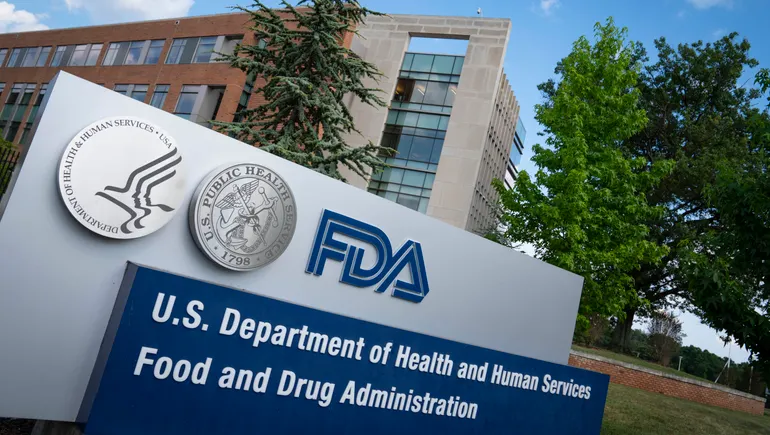
"Where are the patients?": Experts question FDA's final recall guidance
The U.S. FDA's final guidance on voluntary recalls issued last month, while encouraging electronic recall notifications, fell short of expert expectations in areas such as direct patient notification, UDI application, and enforceability. Multiple industry insiders pointed out that the guidance fails to address systemic deficiencies in the recall process, leaving patient safety at risk.

Nurse turnover intensifies, hospitals face acute shortages in both short-term and long-term staffing
The U.S. healthcare system is facing an unprecedented shortage of nursing staff. As nurses leave in large numbers due to burnout, high-paying travel nurse positions, or early retirement, hospitals struggle to fill both short-term and long-term vacancies. This article analyzes the causes of the turnover wave, bottlenecks in the education pipeline, and hospital response strategies.

Patients' Long-Term Health and Hospital Operational Pressure: Diagnostic and Treatment Delays Continue to Escalate
Two years after the outbreak of the COVID-19 pandemic, the U.S. healthcare system still faces the challenge of persistently low patient visit volumes. Strata's analysis of data from over 1,100 hospitals nationwide shows that hospitalization volumes declined by 9.7% and 7% in 2020 and 2021, respectively (or by 14.9% and 14% when excluding COVID-19 patients), emergency visits fell by 21% and 15.5%, and outpatient visits dropped by 16.5% and 3.2%. Epic Research found that gaps in cancer screenings have not been closed, with experts warning that the consequences of delayed diagnosis and treatment may become apparent in five years, while hospitals face the dual pressure of rising costs and declining revenue.
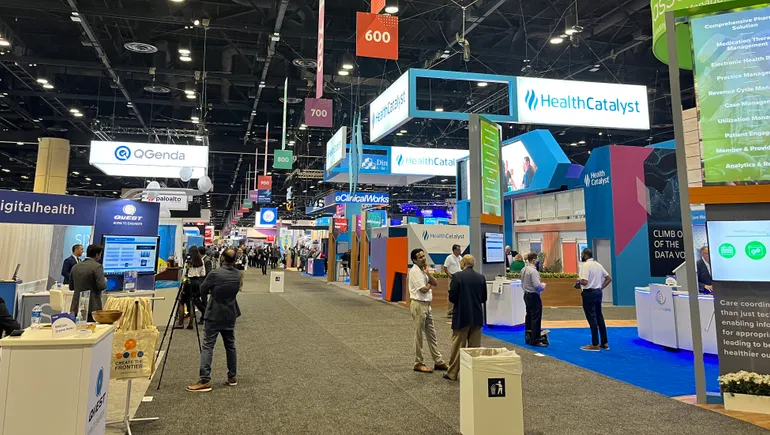
Hybrid Care Model: The Digital Integration Path of Healthcare Services in the Post-Pandemic Era
Although the pandemic significantly boosted telemedicine adoption, the usage of purely virtual care has declined as COVID-19 cases in the U.S. decreased. However, at the HIMSS annual healthcare conference, experts stated that telemedicine is increasingly being incorporated into hospitals' digital roadmaps, with some institutions even increasing investment despite slowing visit volumes. This brings hope to proponents of the hybrid care model, who emphasize flexibly selecting service delivery methods based on patient needs to reduce costs and improve outcomes.
Under Pandemic Pressure, Healthcare Workers Face Rising Risk of Workplace Violence
During the pandemic, workplace violence against U.S. healthcare workers has become increasingly severe, including verbal abuse, physical assault, and even homicide. Although some hospitals have adopted protective measures, there is no unified federal standard, and state legislation varies. Unions are calling for national regulations, while hospitals emphasize that existing policies are sufficient. Based on multiple data sources and cases, this article analyzes the causes, impacts, and solutions to violence.