
"Where are the patients?": Experts question FDA's final recall guidance
The U.S. FDA's final guidance on voluntary recalls issued last month, while encouraging electronic recall notifications, fell short of expert expectations in areas such as direct patient notification, UDI application, and enforceability. Multiple industry insiders pointed out that the guidance fails to address systemic deficiencies in the recall process, leaving patient safety at risk.
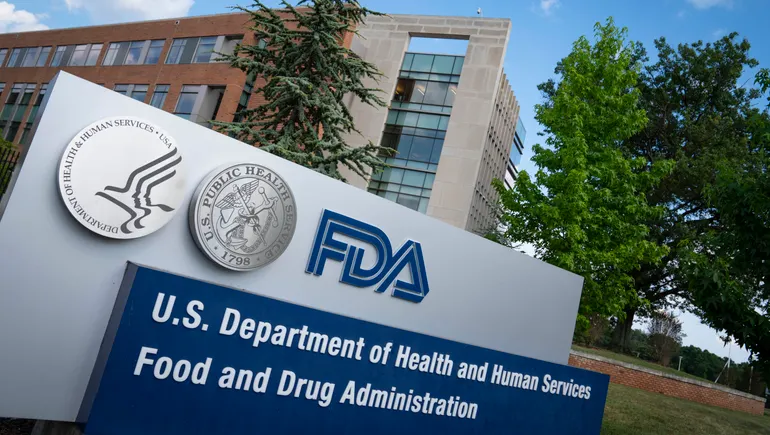
Medical device recalls and product safety issues have continued to enter the public eye over the past several years. Multiple high-profile incidents have exposed efficiency shortcomings in the recall system, sparked questions from patient groups about the recall process, and drawn criticism of the FDA and industry performance.
Take the issue of surgical staplers, for example. Related malfunctions have been linked to thousands of patient injuries and hundreds of deaths, and prompted the discovery of a previously undisclosed FDA database of adverse events for medical devices. Meanwhile, Philips' ongoing recall of millions of sleep apnea and ventilator devices has also highlighted the risks patients face when they may not be notified of a recall and continue using faulty equipment.
Last month, the FDA issued final guidance on voluntary product recalls, requiring companies to be "recall ready" and offering recommendations on how to establish internal processes and initiate recalls. The guidance covers a broad range of FDA-regulated products, not just medical devices. However, the document has drawn criticism from several medical device safety experts, some of whom believe the FDA has not done enough to improve recall handling.
Device experts point out that key issues in the recall process were either not included in the guidance or not supported strongly enough. At the same time, there is widespread confusion in the industry about how the FDA will subsequently address medical device recalls and safety management.
Joan Melendez, CEO of Xcelrate UDI, said the guidance does contain some positive elements, such as mentioning that recall notifications should be sent electronically, but overall it feels like "five steps forward, three steps back." Melendez said, "I'm disappointed. Where are the patients?"
The guidance comes on the heels of two public FDA meetings on device recalls and safety communications. At those meetings, experts, patients, and industry representatives discussed how to improve a system that sometimes relies on outdated processes and leaves patients in the dark when devices fail.
Participants repeatedly raised several reform proposals, also mentioned at the FDA meeting last October: device manufacturers should use electronic communications rather than mail when notifying hospitals of recalls; use unique device identifiers (UDIs) in recalls to link specific devices to specific patients; and improve the way patients learn about recalls or safety information, so people don't struggle to find potentially life-saving information.
An FDA spokesperson said in an emailed statement that the agency considered recommendations from the October meeting when developing the guidance, and described the changes as "primarily editorial," adding that they "provide helpful examples of applicable requirements for certain products, but do not establish legally enforceable obligations."
Although the latest guidance does address electronic communications, other issues remain unresolved.
Terrie Reed, partner director at healthcare supply chain data software company Symmetric Health Solutions, said her first reaction after reading the guidance was "not worth reading," and she hopes this is not the final outcome of the FDA's recent meetings. Reed said, "If it is, then they completely missed what people were telling them. I hope change is coming."
Electronic communication: a positive step but insufficient
One prominent element in the guidance is the FDA encouraging manufacturers to use electronic communications when sending recall notifications to customers. This is a key issue that device recall experts have been pushing for.
Guillermo Ramas, CEO and founder of NotiSphere, a company that helps suppliers and healthcare organizations manage recall processes, praised the FDA for explicitly mentioning electronic communications, saying it will prompt manufacturers to change their processes.
Ramas said, "Many manufacturers don't seem to realize they can use electronic communications. So this will raise awareness and prompt manufacturers to really think: 'Do we need to keep doing things the same way we have for 40 years?' I think this is very positive."

Recall notifications between manufacturers and hospitals are typically sent by mail. This not only slows down the process, but can also result in notifications being sent to people or departments that are not responsible for removing recalled products from hospital inventory. Notifications can take weeks or months to reach the right person within a hospital, which can leave recalled products sitting on inventory shelves or, in some cases, implanted in patients.
Faster communication helps hospitals more quickly identify recalled or problematic devices, thereby limiting the risk of devices or supplies being used after a recall.
Madris Kinard, CEO of Device Events, a company that compiles and interprets FDA medical device reports and recalls, also agreed that including electronic communications is necessary, but she added that the FDA has not been thorough enough in addressing the issue. Kinard said, "I feel the guidance is not strong enough because the recall process is seriously flawed. Moving to fully electronic notification is critical and long overdue, and it hasn't been mandated or even encouraged with the necessary force."
Although this change in the guidance is a recommendation rather than a requirement, Ramas said manufacturers should take it seriously. He said, "I think this is a step in the right direction. I hope they don't stop here. I hope there's more to come."
Missed opportunities: patient notification and UDI
One of the most persistent complaints about the recall process is that patients are always notified too late about recalls or safety updates, or never notified at all. Philips' recall of more than 5 million sleep apnea and ventilator devices is a recent example. Nine months after the recall began, and nearly a year after Philips first publicly acknowledged the problem, the FDA ordered the company to notify all customers, including patients and healthcare providers, after finding that some customers were still unaware.
The FDA claimed Philips' previous efforts were "inadequate," leaving customers not only unaware of the recall, but also of the health risks of continuing to use the devices. Although the agency intervened in a voluntary recall in an unconventional manner (which occurred after the guidance was issued), the final document does not address direct-to-patient communication in detail. The guidance only states that manufacturers should initiate recalls by "promptly notifying each affected direct account about the recall and, when appropriate, issuing a press release or other public notice."
Xcelrate UDI's Melendez claimed that when it comes to patient communication, the FDA "missed the point." She said the agency needs to mandate communication policies because sometimes patients with implanted devices may never be told the device has been recalled.
"Many times, disasters give rise to great things... I don't even see a hint that the FDA might be improving its recall workflows and processes."

Terrie Reed
Partner Director at Symmetric Health Solutions
Typically, device manufacturers' customers, such as suppliers and healthcare providers, are the ones who notify patients. Melendez believes that facilities and institutions where patients receive treatment or have devices implanted should be required to notify patients in the event of a recall or safety update, regardless of the severity of the health risk. According to Melendez, this mandate is necessary because sometimes providers wait until patients show symptoms or return to the facility before notifying them.
Melendez said, "Patients should know everything about the implants in their bodies. Patients should know everything about an implant before it is implanted."
Incorporating UDI into recalls is another persistent recommendation not adopted in the FDA guidance. UDI is a numeric or alphanumeric code used to distinguish individual devices. Experts say using UDI helps link recalled devices to specific patients.
Although UDI is already required on labels for certain medical devices, it is rarely used in recalls. The FDA's final guidance does mention UDI in the context of labeling and product coding, but it does not directly state that UDI should be used in recalls.
Nancy LeMaster, a consultant focused on the healthcare supply chain, said the guidance "falls far short" of what is needed. According to LeMaster, although some manufacturers want to use UDI in recalls, company policy only allows them to do what the FDA mandates.
LeMaster said, "It's better than nothing—we got a mention—but it's far from what I think is needed to truly improve the recall process and make it safer for patients and healthcare providers."
According to the FDA, the guidance recommends that "firms use adequate product coding to quickly identify positive lots and facilitate effective recall of all violative lots." However, experts argue that lot numbers are not precise because companies define "lots" differently, and notifications can contain thousands of lot numbers, whereas UDI can be recorded electronically and directly linked to patients.
Beyond UDI use, both Reed and LeMaster said the type and manner of data shared during recalls needs to be structured and standardized so that systems are more uniform rather than varying by company. LeMaster said, "We and many organizations have submitted extensive comments asking the FDA to truly strengthen and modernize the recall process, enabling manufacturers to submit structured data into a database that all stakeholders can access in a timely manner. Clearly, the responsibility is always on the manufacturer when a recall occurs, but it feels like the FDA hasn't truly stepped up to take its own share of responsibility."
Reed, who worked at the FDA for 15 years and led the UDI program, also believes the FDA needs to confront its role in the recall process and make changes, citing the Philips recall as an example. In an emailed statement, Reed wrote that UDI tracking at the point of sale or when covered by private insurance or payers like Medicare could easily link devices to patients. If UDI is not recorded at the time of sale or reimbursement, a searchable database could help patients track their devices after problems arise.
Reed believes the FDA could help facilitate or even require such data collection and database creation. However, this was not part of the FDA's order to Philips; the focus remained on the company. Reed said, "Philips may spend millions or more, and they may have already done this—good for them—but this is a systemic issue that needs to be addressed simultaneously. Many times, disasters give rise to great things... I don't even see a hint that the FDA might be improving its recall workflows and processes."
Stronger enforcement
Device companies and the FDA can coordinate after a recall is initiated or a product problem is identified, but the vast majority of recalls are voluntarily executed by manufacturers. An FDA spokesperson told MedTech Dive last year in a background briefing that the agency's mandatory recalls could be counted on one hand, adding that voluntary recalls are easier and faster than mandating product removal.
Although the FDA claims this is a more efficient way to conduct recalls, experts are concerned about the agency's lack of enforcement. The recent guidance is an example. Device Events' Kinard said the agency should not focus on guidance but should consider regulatory changes that can be enforced if not strictly followed. Kinard said, "I've always been somewhat frustrated by the use of guidance rather than regulations... So my initial thought is, if they haven't followed guidance in the past, will they follow another guidance?"
Michael Heyl, a partner at law firm Hogan Lovells, said the guidance is "clearly interpretive" and not "itself enforceable," but the agency does have expectations for companies, and following and complying with guidance recommendations is best practice.
When asked about the difference between using guidance documents versus regulations, the FDA said in a statement that the agency "issues guidance documents to represent the agency's current thinking on a particular topic, helping manufacturers meet FDA review requirements under the agency's regulatory authority."
Several experts question whether the FDA has other official changes in the works and whether the agency's two meetings will lead to more action. Heyl said whether the FDA will take action on recalls "remains to be seen," adding that the guidance and the order to Philips may indicate the agency is paying more attention to ensuring recall information gets out.
The FDA wrote in a statement that the agency "continues to explore ways to improve the recall process," but did not disclose specific projects or potential changes underway. The agency shared a list of proposed guidance documents for fiscal year 2022 for the Center for Devices and Radiological Health (CDRH); the recall guidance was not on that list.
Because the recall process involves multiple parties—device manufacturers, suppliers, providers, and regulators—meaningful change is not easy. However, some are optimistic that those involved in recalls are willing to update the system. NotiSphere's Ramas said, "No participant today would look you in the eye and say, 'This isn't a problem for us,' or 'This isn't something I need to focus on.' As always, when a problem requires many people to collaborate simultaneously, it's not easy because you need many suppliers and many providers to work together. But I think we're starting to see signs of that now."