
Diabetes technology companies target type 2 diabetes patients as user numbers continue to rise
Against the backdrop of the COVID-19 pandemic driving demand for telehealth and wearable devices, diabetes technology companies Dexcom, Insulet, and Tandem continued their growth momentum in the first half of 2021. These companies are actively expanding into the type 2 diabetes market, attempting to reach more patients through advertising campaigns, expanding sales teams, and launching new products. However, challenges such as device costs, insurance coverage, and clinical necessity remain.
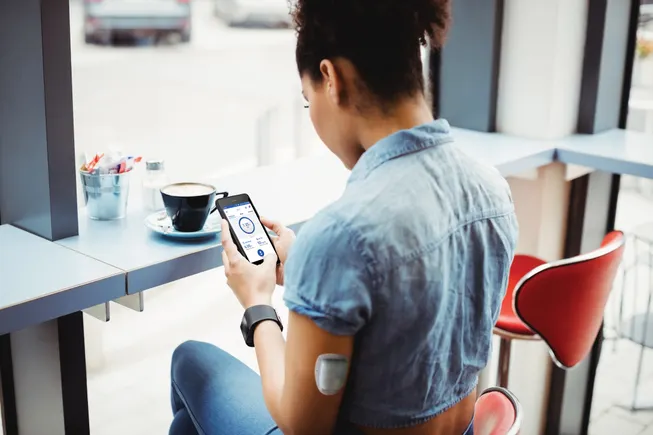
Continuous glucose monitor (CGM) and insulin pump manufacturers are a small group of companies in the medical technology industry that continued to grow during the COVID-19 pandemic. As hospitals filled up and life shifted to remote, patients increasingly used wearable devices and other technology-based medical tools.
Diabetes technology companies Dexcom, Insulet, and Tandem Diabetes Care performed similarly in the first half of 2021 as they did at the close of 2020, surpassing revenue or sales records from the same period last year and achieving user growth.
Over the past few years, as patients have increasingly used CGMs and insulin pumps, these companies are seeking to further expand their existing patient base and are setting their sights on patients with type 2 diabetes.
Dexcom is investing heavily in advertising, reportedly including a multi-million-dollar Super Bowl ad, while also employing marketing strategies to ensure patients and doctors understand that CGM is an option for managing type 2 diabetes.
"The key now is raising awareness. Earlier this year, we doubled the size of our sales force to reach more primary care physicians, who do see a large number of type 2 diabetes patients using insulin," CEO Kevin Sayer said on a July 29 earnings call. "We've seen a significant increase in prescribing physicians this year. This is a major win."
Sayer added that the market for type 2 diabetes patients on intensive insulin therapy "will at some point be as fully penetrated as the type 1 diabetes market."
The type 2 diabetes market could become a significant driver for this company, which has seen continuous growth in revenue and profit. Dexcom's gross profit in the first half of 2021 increased by 41% and 103% compared to the same periods in 2020 and 2019, respectively. The company achieved $761 million in gross profit in the first two quarters.
Part of the appeal of this market lies in its size. The U.S. Centers for Disease Control and Prevention estimates that more than 34 million people in the United States have diabetes, with 90-95% having type 2 diabetes.
However, not all type 2 diabetes patients need to monitor their blood glucose levels as closely as others, and a large number do not need insulin at all. Still, according to the largest diabetes patient organization, diabetes technology products can remain an option to help manage the disease.
"Type 2 diabetes patients using multiple daily insulin injections can also benefit from CGM in the same way as type 1 diabetes patients," said Ruth Weinstock, medical and science chair of the American Diabetes Association. The association receives financial support from several healthcare companies, including Dexcom, Abbott, and Eli Lilly.
Even if not every type 2 diabetes patient needs or uses CGM, the sheer size of this population could still become a significant revenue driver for companies in this field.
SVB Leerink analyst Danielle Antalffy estimates that about 3 to 4 million type 2 diabetes patients need insulin and predicts that CGM companies could cover more than 90% of them. Currently, Dexcom estimates that penetration in the U.S. intensive insulin-treated type 2 market is less than 25%.
"You don't need very high penetration or adoption rates to easily reach $5 billion (total addressable market), or even approach $10 billion," Antalffy said.
Are devices always necessary?
As companies prioritize expanding into the type 2 diabetes market, there are concerns about whether these diabetes technology devices, which are often expensive and difficult to convince payers to cover, are necessary for all patients.
According to GoodRx data, the average retail price for three sensors of the Dexcom G6 system (30-day supplies) is about $425. For Abbott's FreeStyle Libre 2 system (28-day supplies), two sensors average $133. These costs may not include the several hundred dollars for a reader or transmitter.
For type 1 and type 2 diabetes patients who need insulin, commercial payers and Medicare cover these products, reducing out-of-pocket costs for patients. However, obtaining coverage can be challenging.
Dexcom's Sayer discussed concerns about additional costs for patients who already need to manage an expensive disease in a recent interview. He said more clinical trials are needed because there are no "definitive" studies to show payers and physicians.
Weinstock, an adult endocrinologist, said from experience that even intermittent use of CGM can improve disease management in type 2 diabetes patients who do not need insulin.
CGM can be expensive, but the data collected and shared with patients can raise awareness of better management strategies and may help prevent the long-term, costly health deterioration that comes with the disease.
"It's costly not only to society, in real dollars—because of things like dialysis—but also to individuals and their families, in terms of quality of life and lost work," Weinstock said.
Pricing has been a key part of competition in the CGM market. Abbott's FreeStyle Libre product has been the cheaper option; however, Dexcom has narrowed the gap by primarily shifting distribution of its devices to the pharmacy channel rather than the durable medical equipment channel.
The new G7 CGM system, which the company plans to release later this year, is expected to further narrow the gap.
Pricing is not the only strategy. While Abbott focuses primarily on the lowest price, Dexcom has begun working directly with commercial payers like UnitedHealthcare to expand coverage by demonstrating the benefits of CGM compared to other treatments, such as reduced medication use and hospitalizations.
Different opportunities for insulin pumps
Tandem and Insulet are also prioritizing expansion into the type 2 diabetes market. However, for pump manufacturers, the opportunity is not as large, because a significant number of type 2 diabetes patients do not need any insulin, or may not need the level of insulin required for pump use.
"It's not that there aren't some type 2 diabetes patients who benefit from pumps; there are. But I think there are more patients who don't need an insulin pump because they don't need that kind of complex insulin delivery system, but could still benefit from CGM," Weinstock said.
A March survey of endocrinologists and nurse practitioners by SVB Leerink showed that insulin pump penetration among type 2 diabetes patients needing intensive insulin therapy may reach at most about 30%, which may even be overly optimistic.
"I'm not sure we can get there... I don't think we'll get the majority of intensively managed type 2 diabetes patients on insulin pumps, but we will get them all on CGM," Antalffy said.
As competition intensifies, this market remains crucial.
Insulet CEO Shacey Petrovic said on Thursday's earnings call that type 2 diabetes patients accounted for about 35-40% of new users in the second quarter. The company is also following Dexcom's approach in the type 2 market by investing in direct-to-consumer marketing.
Insulet's gross profit in the first half of the year increased 30% compared to the same period last year and 57% compared to 2019. Gross profit for the first six months of 2021 totaled $350.2 million.
The company has faced some unexpected challenges, with the launch of the Omnipod 5 product delayed from the first half of 2021 to the end of the fourth quarter. Analysts view the product favorably, with JPMorgan calling it one of the most important product launches of 2021 because it will be cheaper than Tandem's product and can work with CGM as part of an integrated management system.
Competitor Tandem is also prioritizing expansion into the type 2 patient population. CEO John Sheridan said on Wednesday's earnings call that the company is initiating a clinical study to expand the label of its Control-IQ technology to type 2 patients. This technology allows Tandem's pump to communicate with a CGM and automatically deliver insulin.
According to Sheridan, the study will begin in the coming months, potentially followed by a larger pivotal trial in 2022.
Similar to the CGM field, pricing is an important part of the insulin pump market. Pumps sold through the durable medical equipment channel (Tandem's primary sales method) can require upfront payments of up to $5,000.
Meanwhile, Insulet is mimicking the strategy of CGM companies by selling pumps through the pharmacy channel, reducing the product cost and allowing pay-per-use rather than large upfront payments.
As Insulet expands further, Tandem has actually increased profits at a higher rate over the past two years. The company's profit in the first half of the year increased 58% and 99% compared to 2020 and 2019, respectively, with total profit of $165.7 million in the first two quarters of 2021.
Despite the smaller market opportunity, insulin pump manufacturers are still targeting the type 2 patient population for the future and may benefit from the persistence of CGM manufacturers.
"What the CGM companies have done has really greatly displaced blood glucose monitoring in the type 1 population, and now they have their sights set on the type 2 population," Petrovic said in February.