
Deep Dive
来自我们记者的行业洞察

Medical device companies increase DTC marketing investment, but still lag behind pharmaceutical industry by years
The medical device industry is accelerating its direct-to-consumer (DTC) marketing efforts, but overall it still lags 10 to 15 years behind the pharmaceutical industry. Kantar data shows that advertising spending on medical equipment and devices reached $130 million in the first quarter of 2021, more than double the same period in 2020. Giants such as Abbott, Boston Scientific, and Medtronic each invest over $300 million annually in marketing, while diabetes technology companies like Dexcom and Insulet are more actively embracing television and social media advertising. On the regulatory front, the FDA and FTC jointly oversee the sector, but the line between advertising and labeling is blurred, requiring companies to ensure careful compliance.


Lack of Diversity in Medical Device Industry Executive Ranks Raises Concerns
The underrepresentation of minorities in the C-suite of the medical device industry has persisted for decades and regained attention in 2021 due to the Black Lives Matter movement. AdvaMed data shows that since 2015, the proportion of Black leadership has doubled from 1.3% to 3.2%, but the industry still faces significant challenges. GE Healthcare executive Everett Cunningham noted that in 2021, only 3% of leaders in medtech were Black, indicating there is still a long way to go. The MedTech Color organization aims to achieve 100 Black and Brown CEOs by 2030.
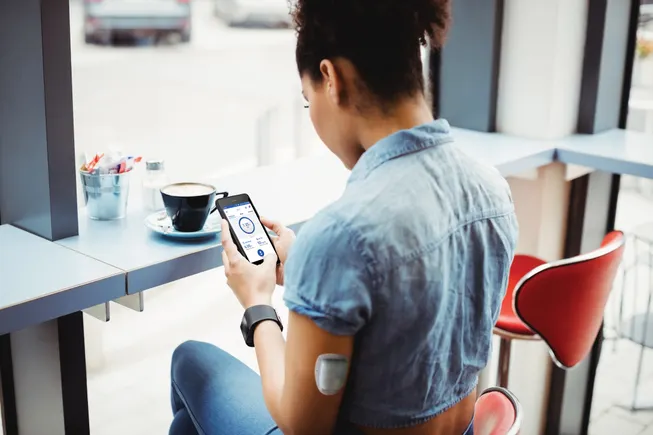
Diabetes technology companies target type 2 diabetes patients as user numbers continue to rise
Against the backdrop of the COVID-19 pandemic driving demand for telehealth and wearable devices, diabetes technology companies Dexcom, Insulet, and Tandem continued their growth momentum in the first half of 2021. These companies are actively expanding into the type 2 diabetes market, attempting to reach more patients through advertising campaigns, expanding sales teams, and launching new products. However, challenges such as device costs, insurance coverage, and clinical necessity remain.
M&A activity was active in the first half of 2021, and medical technology M&A is expected to maintain strong momentum in the second half
In the first half of 2021, medical technology M&A activity was active, with the number of transactions exceeding the full year of 2020. Experts predict that M&A activity will continue to be strong in the second half, especially with potential large deals in the diagnostics sector.

Pandemic Impact on Elective Surgeries and Offline Activities: Medical Device Companies' Payments to Physicians Dropped Sharply in 2020
Affected by the COVID-19 pandemic, payments from the global medical device industry to physicians declined notably in 2020. MedTech Dive's analysis of CMS Open Payments data shows that most leading companies cut general payments by tens of millions to hundreds of millions of dollars, with Zimmer Biomet dropping from approximately $304 million to $63 million and Becton Dickinson falling by 82%. Research payments showed a divergent trend. The industry generally believes that the pandemic restricted offline training and academic exchanges, but some companies noted that one-time technology payments in 2019 also affected year-over-year comparisons.

Aging Medical Devices Combined with Growing Cyber Threats Create a 'Perfect Storm' of Cybersecurity Risk
As ransomware attacks become increasingly sophisticated, one of the biggest cybersecurity challenges facing healthcare organizations is defending against aging medical devices. These devices often run on outdated operating systems that are no longer supported, and they exist in large numbers. Experts point out that complete replacement is costly, while simply isolating them may impact clinical workflows. The FDA has issued relevant guidance, clarifying that manufacturers and healthcare organizations share responsibility, but financial and staffing constraints remain major obstacles.

Medtronic HeartWare System Has Faced Multiple Class I Recalls and Adverse Device Event Reports Since 2012 PMA
The Medtronic HeartWare HVAD pump system has recently faced consecutive Class I recalls, with FDA database showing a higher rate of malfunction reports compared to similar competitors. This article reviews the regulatory and safety challenges the system has faced since its market approval in 2012.

The New Normal of Surgical Interaction Post-Pandemic: Virtual Proctoring and Remote Training Poised for Growth
Before the COVID-19 pandemic, the transformation of the operating room into a digitally connected environment was already emerging; the social distancing measures over the past year accelerated this process, with virtual reality and remote training technologies being widely adopted. Experts point out that virtual proctoring and training, with their advantages in accessibility, efficiency, and cost, are expected to become the 'new normal' for surgical interaction post-pandemic.

Competition in the Spinal Robotics Market Intensifies, Challenging Medtronic's Market Dominance
The spinal robotics market is transitioning from its early stages to a phase of rapid growth. Medtronic currently holds a lead thanks to its $1.6 billion acquisition of Mazor Robotics in 2018, but smaller and mid-sized competitors like Globus Medical are gaining market share with more flexible sales strategies. Analysts note that the market currently features a 'two-horse race' between Medtronic and Globus, while later entrants such as Brainlab and NuVasive are also building momentum.