
Deep Dive
来自我们记者的行业洞察

Escalation of Russia-Ukraine Conflict Raises High Alert for Cyberattack Risks in Medical Technology and Hospitals
After Russia's invasion of Ukraine, the U.S. healthcare industry faces an elevated threat of cyberattacks. Experts point out that medical devices and hospital networks may become direct or indirect targets of state-sponsored hackers, and historical cases show that the impact of such attacks often exceeds expectations. The American Hospital Association, CISA, and other agencies have issued warnings; the FDA has not yet responded, but the industry is strengthening its defenses.

Three Key Trends in the Hospital Labor Market in 2022
The COVID-19 pandemic has persisted for nearly two years, and the hospital labor market remains deeply troubled: staffing shortages and burnout are worsening, turnover rates remain high, travel nurse pay has surged, and union actions are frequent. This article outlines three major labor trends hospitals need to watch in 2022, citing data from agencies such as HHS, BLS, and S&P Global Ratings, as well as industry expert insights, to provide decision-making references for hospital administrators.
Four Key Trends in the Surgery-Dependent Medical Device Industry in 2022
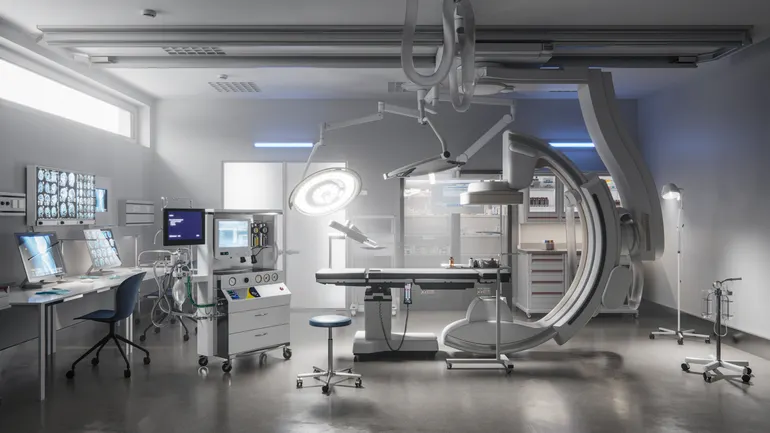
As the COVID-19 pandemic enters its third year, the medical device industry still faces uncertainty in 2022. Fluctuating surgical volumes, hospital staffing shortages, merger and acquisition activities, and the continued growth of ambulatory surgery centers (ASCs) are key trends that surgery-dependent medical device companies need to monitor.

The Evolution of the Digital Health Investment Landscape in 2022
In 2022, digital health investment may moderate against the backdrop of a record 2021, but most experts believe funding will continue to grow. This article analyzes investment prospects in areas such as digital therapeutics, personalized medicine, mental health, chronic disease management, and infrastructure, citing insights from multiple analysts.
Medical device safety continues to be a victim of the gap between hospitals and medical device companies
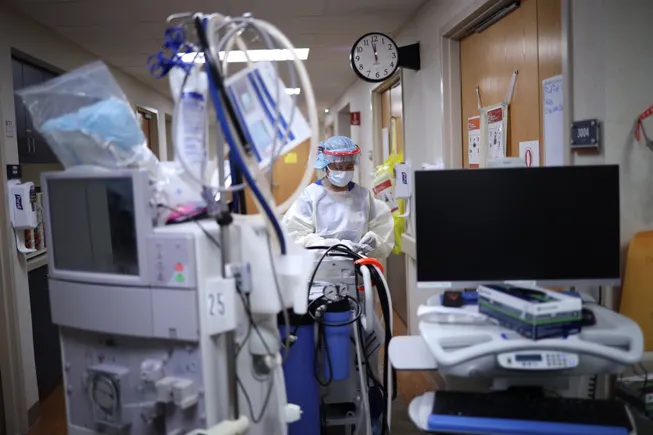
Both medical device manufacturers and hospitals are responsible for protecting devices from cyber threats, but the two sides shift blame regarding the security maintenance of older devices and lack coordination, leading to persistent patient safety risks. Although the FDA has issued guidance and sought new authorities, the industry still disputes issues such as vulnerability disclosure and device lifecycle support.



How Morgan Health Really Moves the Needle on Employer Healthcare Costs? Five Insights from a Conversation with the CEO of This Venture Capital Firm
Morgan Health, the newly established healthcare venture by JPMorgan Chase, aims not only to improve healthcare for its own large workforce but also to benefit the 150 million Americans who receive insurance through their employers. In a conversation with Healthcare Dive, CEO Dan Mendelson detailed how, after learning from Haven's lessons, the firm avoids repeating past mistakes through strategies such as focusing on primary care, partnering rather than building in-house, and data-driven health equity.

Cybersecurity of Medical Devices: Is the Software Bill of Materials a Help or a Hidden Danger?
As cyberattacks pose an increasing threat to healthcare organizations, the FDA is pushing medical device manufacturers to provide a Software Bill of Materials (SBOM) to enhance transparency of third-party software components. Supporters believe this helps identify and mitigate vulnerability risks, but industry groups such as AdvaMed worry that SBOMs could be exploited by hackers, increasing device susceptibility. This article reviews the progress, controversies, and future regulatory directions of SBOMs.