
Deep Dive
来自我们记者的行业洞察
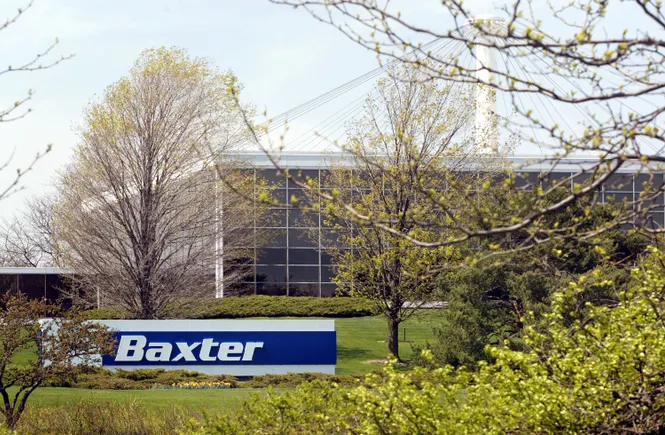
Baxter Interim CFO Anita Zielinski Departs for Cardinal Health Accounting Role
Baxter's interim CFO Anita Zielinski is departing for an executive accounting position at Cardinal Health, effective mid-September, with both companies confirming the move in early August. Zielinski, who joined Baxter in February 2025 and became interim CFO in March, will succeed Mary Scherer at Cardinal.

BD Completes Enrollment in Trial Evaluating Resorbable Mesh for Incisional Hernia Prevention
BD announced Wednesday it has completed enrollment in the PREVENT trial, a clinical study assessing its resorbable Phasix mesh for preventing incisional hernias following open abdominal surgery. The trial enrolled 477 patients across 32 sites in the U.S. and Europe, comparing Phasix mesh with primary suture closure. BD will follow patients to the 24-month primary endpoint, after which it intends to use the data to seek FDA authorization for the new indication. The milestone supports BD's advanced tissue regeneration strategy, which saw double-digit sales growth in the third quarter of its financial year.

Philips Grants Largest Shareholder Exor Authorization to Raise Stake to 22%
Philips has authorized its largest shareholder, Exor, to increase its stake to up to 22%, revising a previous 20% cap. The move reflects continued support for Philips' long-term strategy.
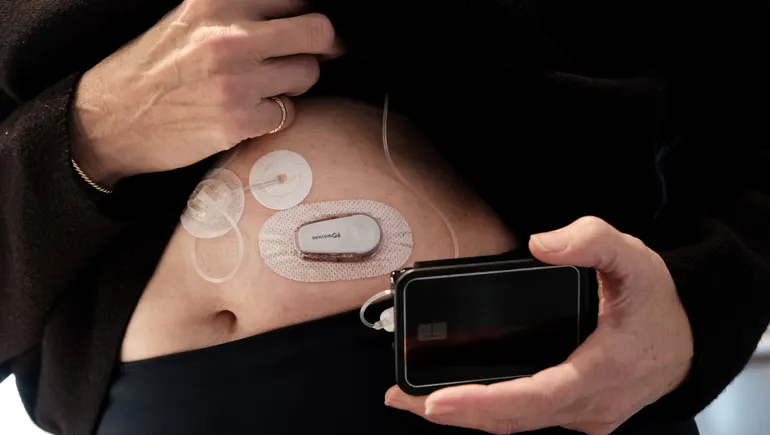
Diabetes tech companies are racing toward ‘fully closed loop’ devices. But automation comes with trade-offs.
Ahead of a major diabetes conference, companies including Insulet, Tandem Diabetes Care, and Medtronic's spun-off MiniMed are advancing 'fully closed-loop' automated insulin delivery systems that do not require mealtime carbohydrate counting. Experts note that while this technology can reduce patient burden, it is not entirely intervention-free, as exercise, illness, and sensor failures still require manual input.

One year in: How medtech companies are coping with tariff challenges
It has been a full year since the Trump administration's tariff policy was implemented, and the medical device industry has not seen the large-scale reshoring of production to the United States as expected. Facing sustained cost pressures, companies have generally opted for internal optimization rather than price increases or cuts to R&D. Although the tariff mechanism has undergone adjustments and the overall impact on the industry remains manageable, the complexity of supply chains and policy uncertainty continue to pose long-term challenges.

‘Cracks show’ as CDRH staff contend with heavy workloads
Medical device regulators at the U.S. Food and Drug Administration (FDA) are facing overwork and understaffing after large-scale layoffs and departures of key personnel. Former employees and industry experts point out that CDRH's institutional memory and culture have been severely weakened, with communication challenges and inconsistent feedback becoming increasingly prominent. Although key metrics such as review timelines remain normal, long-term sustainability is a concern.
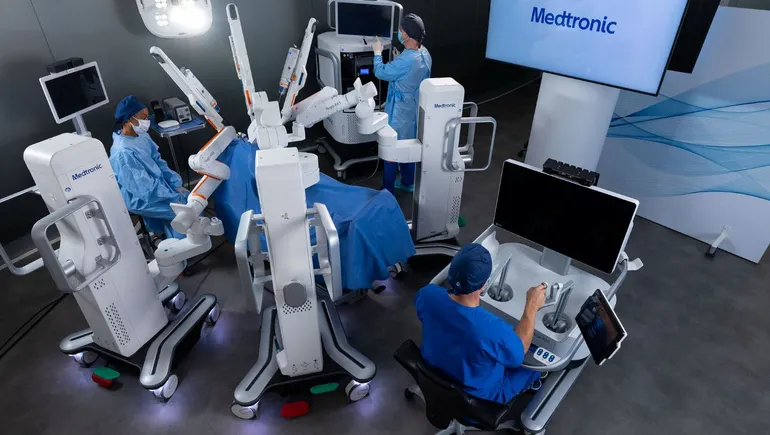
5 robotic surgery trends to watch in 2026
In December 2025, Medtronic and CMR Surgical successively received FDA approvals, and Johnson & Johnson also submitted its Ottava robot application, ushering in a new round of competition in the soft-tissue robotic surgery market. In 2026, the industry will see five major trends: startups targeting new settings such as ambulatory surgery centers, Medtronic accelerating the U.S. rollout of its Hugo system, Intuitive Surgical facing challenges while maintaining innovation, cardiac surgery becoming an investment hotspot, and continued expansion of specialty robotic applications.

5 topics to watch as MDUFA negotiations restart
Negotiations on the Medical Device User Fee Amendments (MDUFA) have resumed, with the FDA and industry representatives discussing the renewal of the current agreement set to expire in 2027. The talks involve core issues including funding levels, staffing, fee structure, and patient safety. This article outlines five key points to watch after the resumption of negotiations.
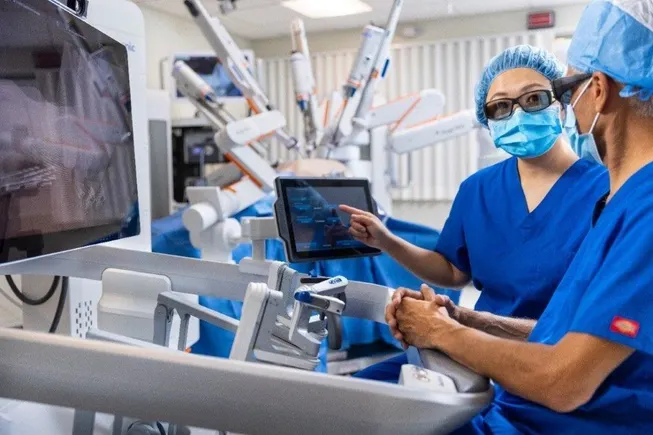
4 medtech topics to watch in 2026
In 2025, the medical device industry remained steady despite challenges such as trade wars and FDA personnel changes. Entering 2026, the industry needs to focus on four major issues: the impact of the expiration of ACA subsidies on insurance coverage, whether M&A activity can sustain the momentum from the end of the year, uncertainty in tariff policies, and the competitive landscape following the official launch of Medtronic's Hugo surgical robot.

What medtech firms can learn from Whoop’s warning letter
Whoop launched a blood pressure insight feature in May and received an FDA warning letter in July, with both sides disagreeing on the classification of the feature. Experts believe the FDA's stance is firm, and Whoop's prospects for a challenge are not optimistic. The incident highlights regulatory risks in feature upgrades for wearable devices and provides compliance references for peers.